

Hybrid vs. Electric Vehicles: Which Powertrain is Right for You?
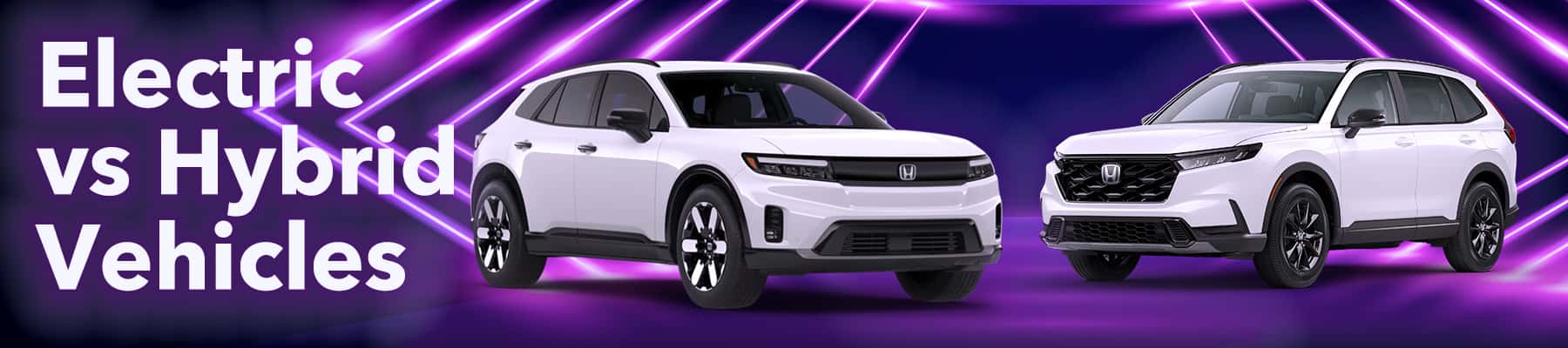 More drivers across Bowling Green Kentucky and the surrounding region are choosing hybrid and electric vehicles as the next step toward cleaner, smarter, and more efficient driving. Whether you want lower fuel costs, fewer emissions, or access to modern electric technology, deciding between a hybrid and an electric vehicle starts with understanding how each powertrain fits your lifestyle. Both options deliver strong benefits, and the 2026 model year brings even more efficiency, capability, and innovation. This guide explains the differences between hybrid and electric vehicles and helps you choose the right fit for your daily drive.
Understanding Hybrid Vehicles
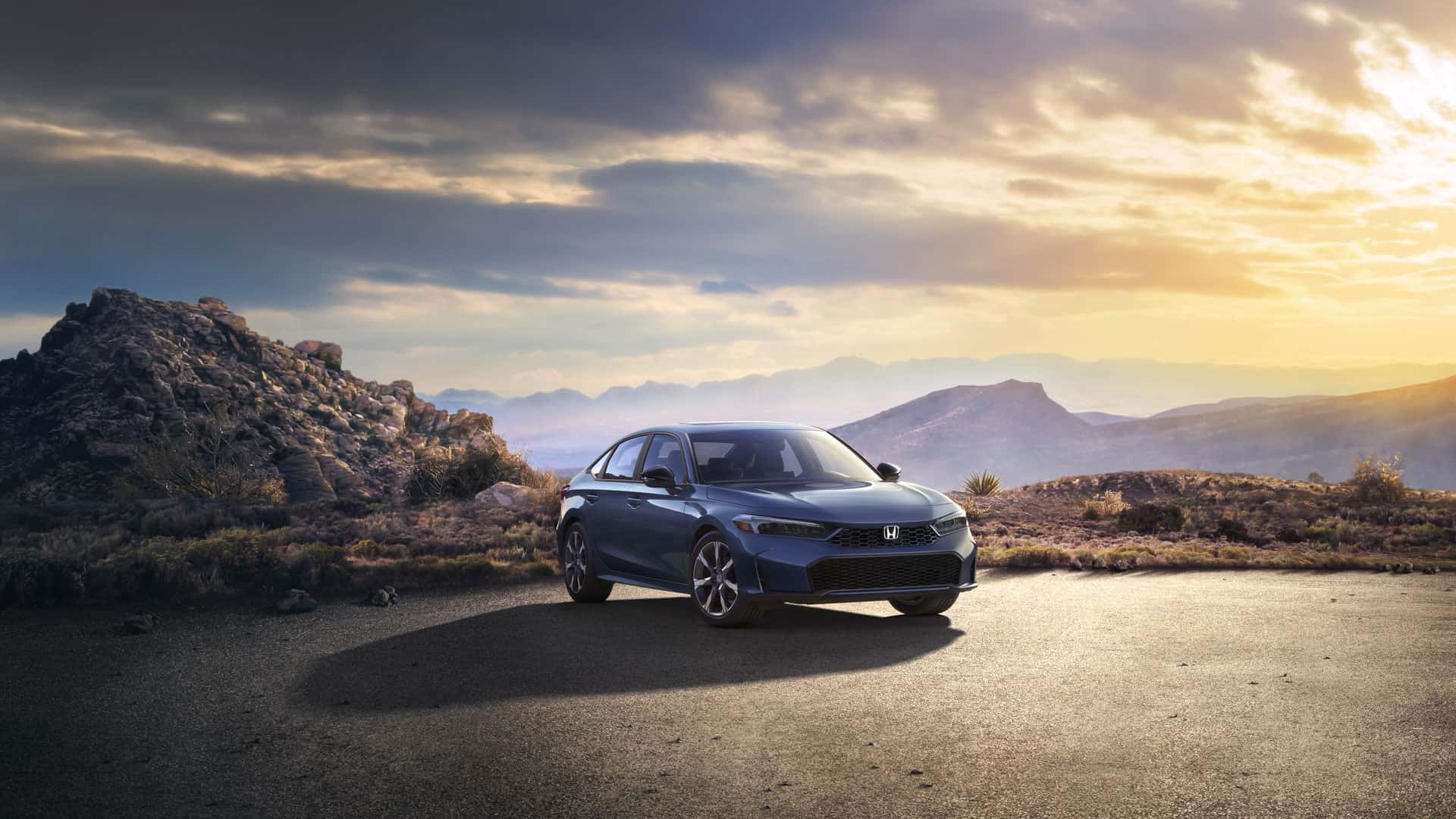
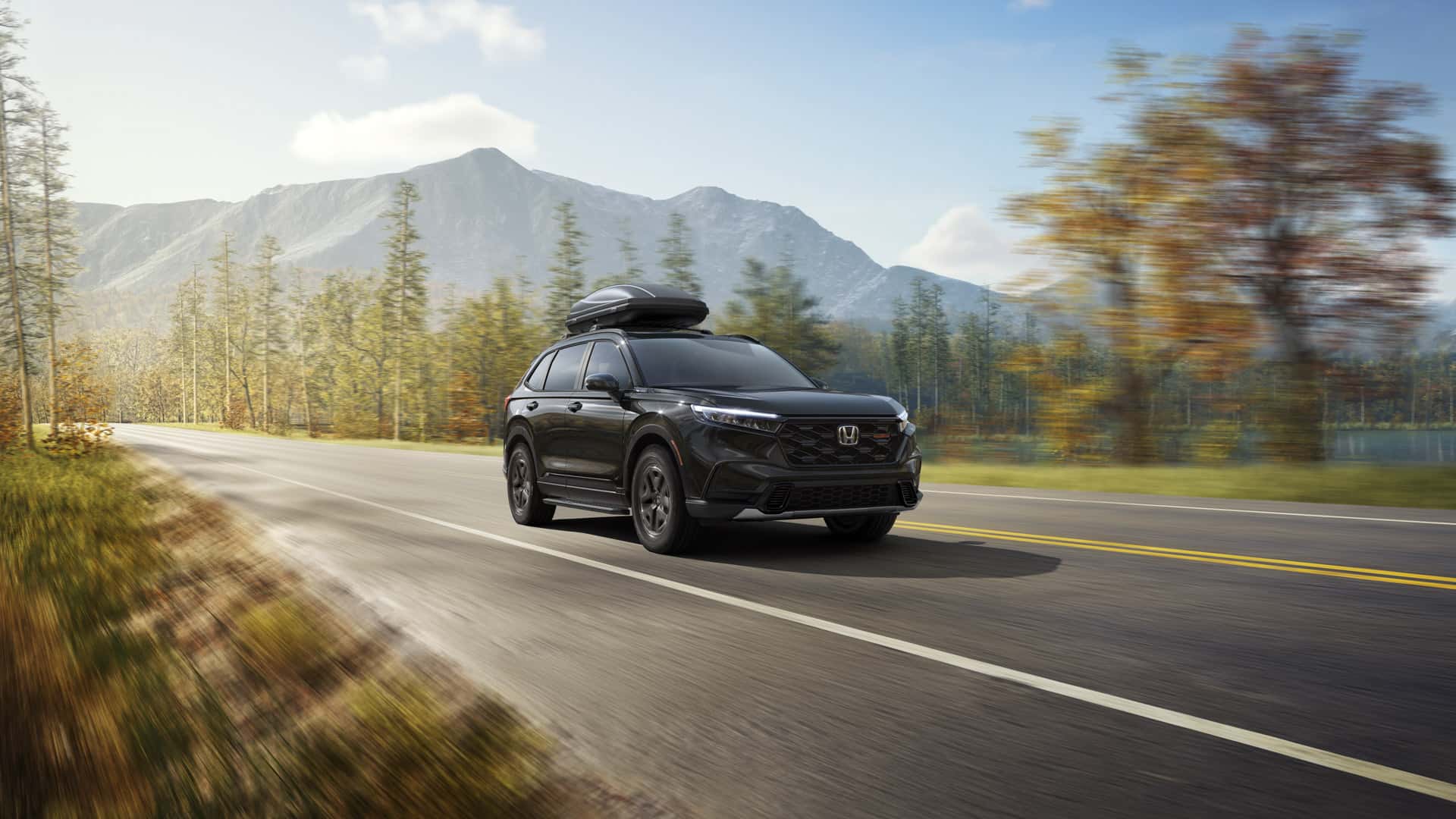
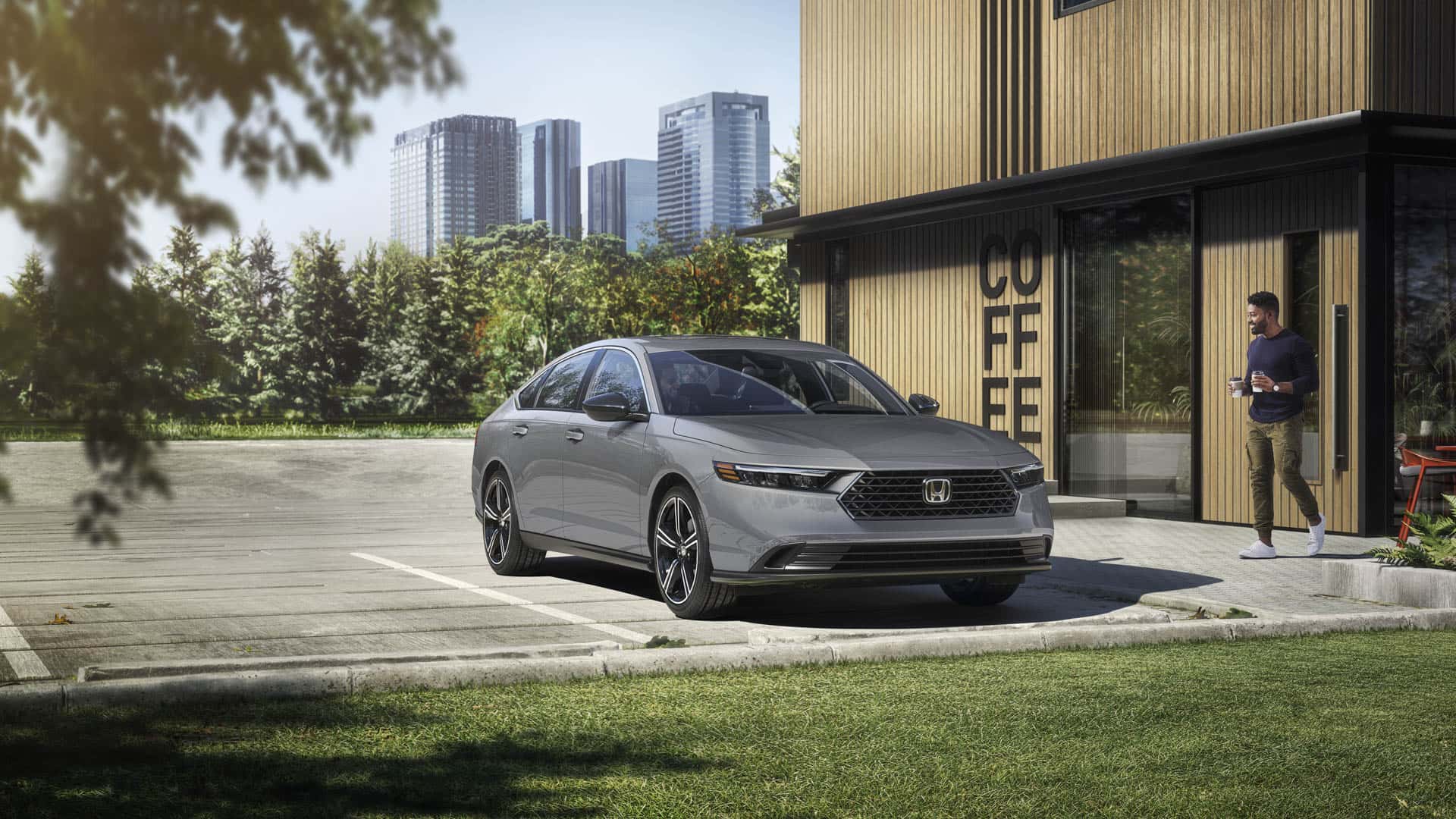
Hybrid vehicles use a combination of a gasoline engine and an electric motor to deliver efficient and reliable performance. This balanced system helps reduce fuel consumption while providing the flexibility of traditional refueling.
Impressive Fuel Efficiency and Extended Range
With electric support during low speed driving, idling, and acceleration, 2026 hybrid models offer excellent miles per gallon ratings. Drivers who spend a lot of time commuting or traveling across Kentucky can enjoy longer range without adjusting their daily fueling routine.
Regenerative Braking Maximizes Energy
Hybrid vehicles recycle energy during braking to help recharge the battery. This improves overall efficiency and reduces wear on the braking system, which is especially beneficial for city and stop and go traffic near downtown Bowling Green.
Cleaner Driving With Fewer Emissions
Hybrid vehicles emit less CO2 than traditional gas powered vehicles. This makes them a smart choice for drivers looking for a more environmentally conscious option.
Smooth and Quiet Performance
Hybrids transition seamlessly between electric and gasoline power. This creates smooth acceleration, a quiet cabin, and a refined driving experience that feels confident on Kentucky highways and local roads.
Lower Ownership Costs
Because hybrids rely less on the gasoline engine, there is reduced wear and lower fuel usage. Over time, this can lead to meaningful savings in both fuel costs and routine maintenance.
Understanding Electric Vehicles (EVs)
Electric vehicles are powered entirely by electricity, eliminating the need for gasoline. Many drivers across Kentucky are adopting EVs thanks to expanding charging access and improved battery range.

Zero Tailpipe Emissions
EVs produce no emissions, which supports cleaner air and reduces environmental impact. If sustainability is a top priority, electric vehicles offer the cleanest option available.
Lower Long Term Operating Costs
Because electric vehicles do not require gasoline and have fewer moving parts, they often cost less to maintain over time. No oil changes, fewer fluids, and less routine engine service create long term savings for EV drivers.
Quick, Smooth, and Responsive Acceleration
Electric motors provide instant torque, creating a responsive and engaging driving experience. Whether you are driving on Scottsville Road, the Natcher Parkway, or heading toward Nashville, EVs deliver smooth and confident power.
Convenient Charging Options
Most EV owners choose a home charging station, making it easy to start each morning with a full battery. Public charging infrastructure continues to grow across Kentucky and Tennessee, making road trips and long distance travel more practical than ever.
Advanced Technology and Smart Features
Many 2026 electric vehicles include the latest tech, including modern driver assistance, enhanced connectivity, and over the air software updates. These features keep your vehicle current and continually improving.
Featured 2026 EV Model
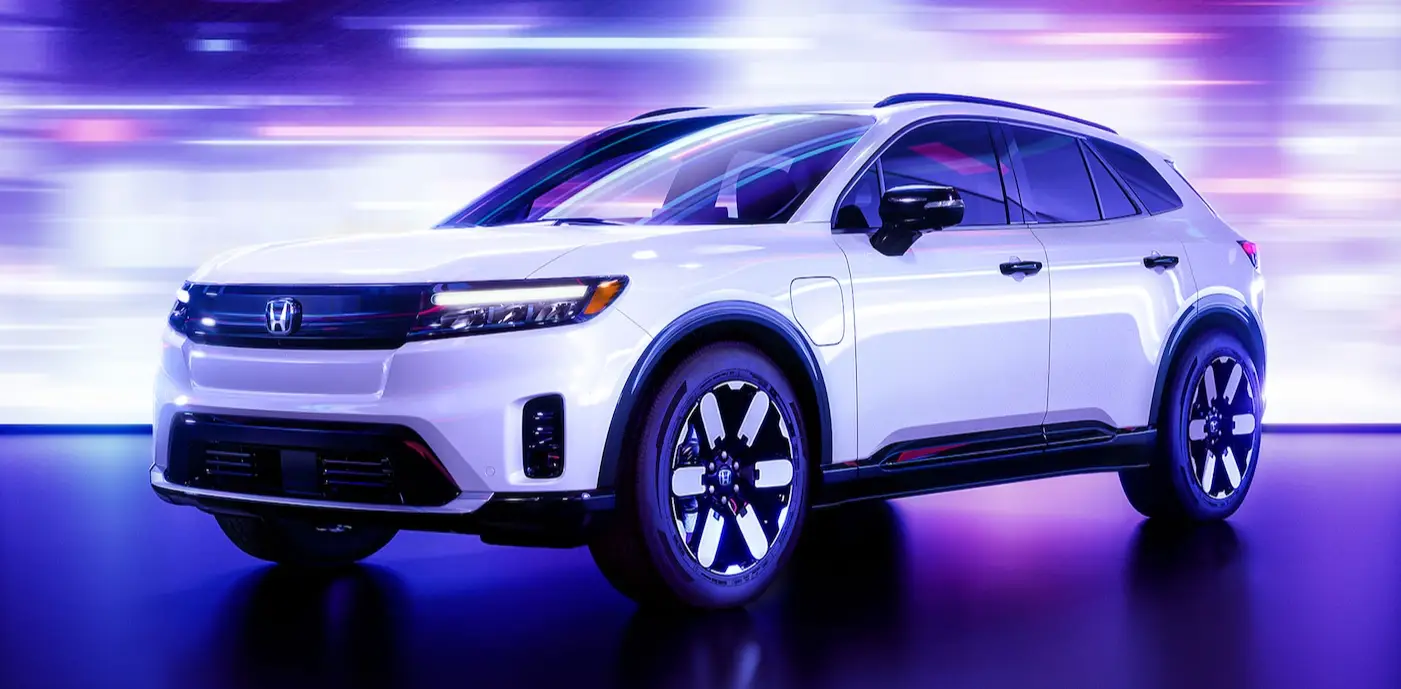
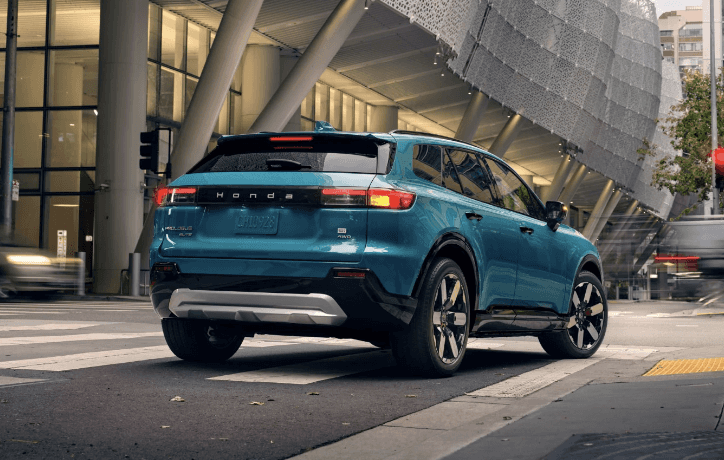
- 2026 Honda Prologue SUV
Financial Incentives and Savings for 2026 Vehicles
Some electric vehicles may be eligible for federal or state incentives based on vehicle configuration, buyer eligibility, and current government guidelines. Incentive availability, amounts, and qualifications can vary and are subject to change without notice. Eligibility is determined by federal, state, and local requirements at the time of purchase. Incentives are not guaranteed and may depend on factors including vehicle specifications, battery capacity, income thresholds, and regulatory requirements.
Federal Tax Credits
Certain electric vehicles may be eligible for federal incentives based on current regulations and vehicle specifications. Eligibility requirements and incentive amounts are determined by federal guidelines and are subject to change.
Reduced Fuel and Maintenance Expenses
Hybrid and electric vehicles are designed to reduce fuel consumption and may require less routine maintenance due to fewer mechanical components compared to traditional gasoline-powered vehicles.
State and Local Incentives
Incentive programs offered by state agencies, local governments, or utility providers may be available in certain areas. Availability, eligibility, and incentive amounts vary by location and program and are subject to change. Customers should consult local authorities or utility providers for the most current information.
Choosing the Right Powertrain for Your Lifestyle
Your driving habits, daily routine, and access to charging will help determine whether a hybrid or electric vehicle is the best match.
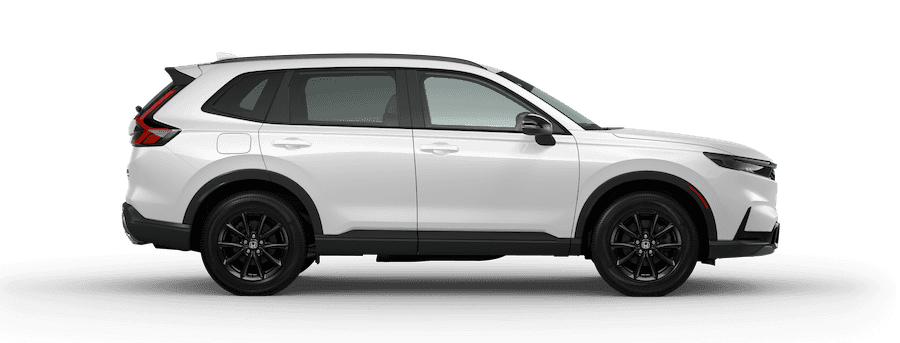
A Hybrid is Ideal If:
- You want excellent fuel economy without relying on a charging station
- You frequently drive long distances throughout Kentucky or Tennessee
- You prefer the convenience and familiarity of gasoline refueling
- You want low ownership costs with a traditional driving experience
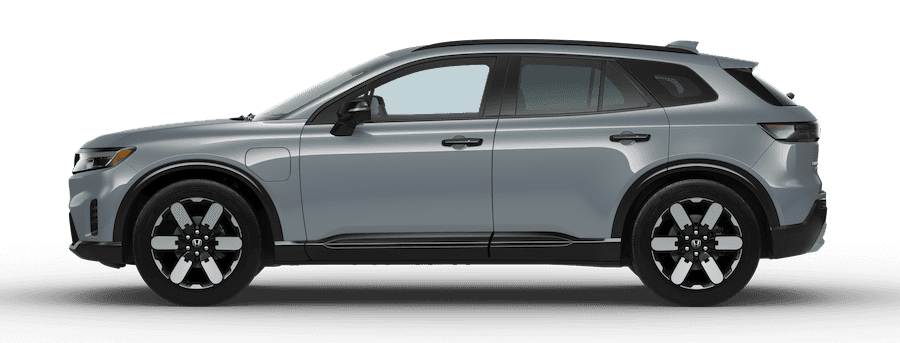
An Electric Vehicle is Ideal If:
- You want zero emissions and the most environmentally friendly option
- You have reliable access to home or workplace charging
- You want the lowest long term operating costs
- You prefer advanced technology and quiet, instant acceleration
The Future of Electrified Driving
The 2026 model year highlights major advancements in hybrid efficiency, EV battery technology, and nationwide charging networks. More drivers in Bowling Green and surrounding areas are discovering how intuitive and convenient electrified driving can be. Whether you choose a hybrid for its versatility or an EV for its cutting edge performance, both powertrains support a cleaner, more sustainable driving future. Visit Gary Force Honda in Bowling Green Kentucky to explore the latest 2026 hybrid and electric vehicles. Our team can walk you through incentives, range, charging options, and features so you can find the perfect vehicle for your needs.
Frequently Asked Questions
Are hybrid vehicles good for long distance driving?
Yes. Hybrids deliver extended range, strong fuel economy, and the convenience of gasoline refueling, making them ideal for long trips across Kentucky and Tennessee.
How long does it take to charge an electric vehicle?
A home Level 2 charger typically charges an EV overnight. Public fast charging stations can provide a significant charge in under an hour.
What is regenerative braking?
Regenerative braking captures energy during braking and sends it back to the battery to improve efficiency and extend driving range.
Are electric vehicles cheaper to maintain?
Yes. EVs have fewer moving parts and do not require oil changes or traditional engine maintenance. This leads to lower long term service costs.
Do hybrids and EVs qualify for tax incentives?
Many EVs qualify for federal tax credits up to seven thousand five hundred dollars. Some plug in hybrids may also qualify depending on battery size. Additional local incentives may be available.
Should I install a home charger?
A home charger is recommended for convenience but not required. It allows EV owners to begin each day with a full battery.
What is the difference between a hybrid and a plug in hybrid?
A hybrid charges through regenerative braking and the gasoline engine. A plug in hybrid can be plugged into a charger and offers more all electric driving range before switching to the gasoline engine.