

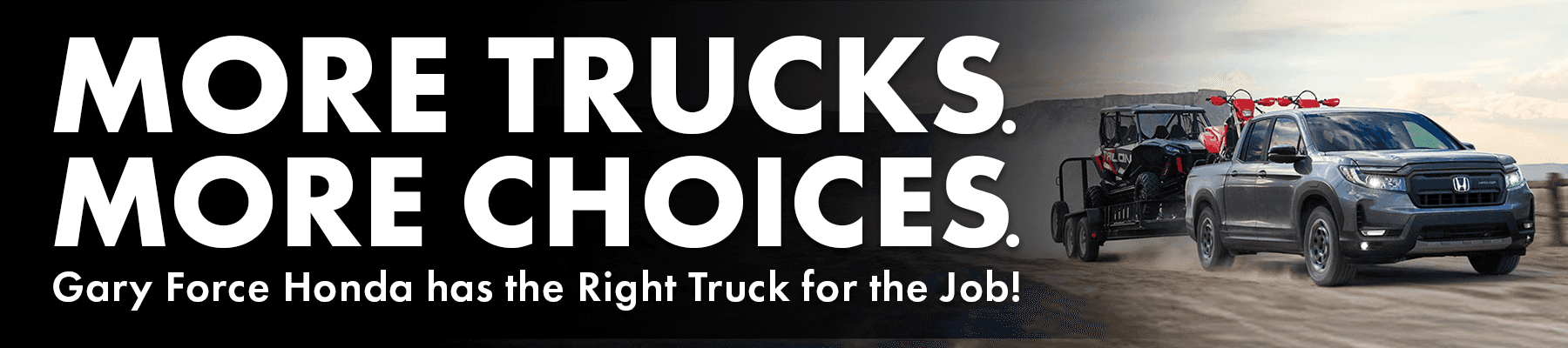
Gary Force Truck Center is a dedicated used truck, van and SUV lot at 2201 Scottsville Road in Bowling Green, Kentucky. It has its own building, its own inventory and its own sales team, and it sits on the same road as our main Honda showroom at 2325 Scottsville Road. The lot is multi-brand, so most of what’s on it didn’t come from Honda: half-ton and heavy-duty pickups, midsize trucks, cargo and passenger vans, and truck-based SUVs. We run it as a separate operation for one reason. Truck buyers ask different questions than car buyers. Somebody shopping a Civic asks about fuel economy. Somebody shopping a three-quarter-ton asks what it’ll pull loaded, how much weight is left over once the family and the gear are in the cab, and whether the hitch on the back is rated for the trailer sitting in their driveway. Those are weight questions, and weight questions have exact answers printed on the truck. Our truck salespeople answer them in numbers, not adjectives.
Current Truck Center Inventory
Every truck, van and SUV listed below is on the ground at 2201 Scottsville Road in Bowling Green and is available to see today.
Where the Truck Center is, and why it’s a separate lot
The Truck Center is at 2201 Scottsville Road, Bowling Green, KY 42104. Our main Honda showroom, service drive and parts department are at 2325 Scottsville Road on the same street. Gary Force has been selling and servicing vehicles in Bowling Green since 1976, and the Truck Center grew out of a straightforward problem: a Honda store carries Honda inventory, and the people driving in from Glasgow, Franklin, Scottsville and Russellville looking for a used work truck were not looking for a Honda. Rather than park a handful of trades in a back row, we gave trucks their own address.
Selection is the point of the second lot. We keep the largest used truck, van and SUV inventory in the Bowling Green area, which means the comparison you’d normally spread across three or four dealerships in three or four towns you can make in one afternoon, on one lot, with one salesperson who knows all of them.

What’s on the lot
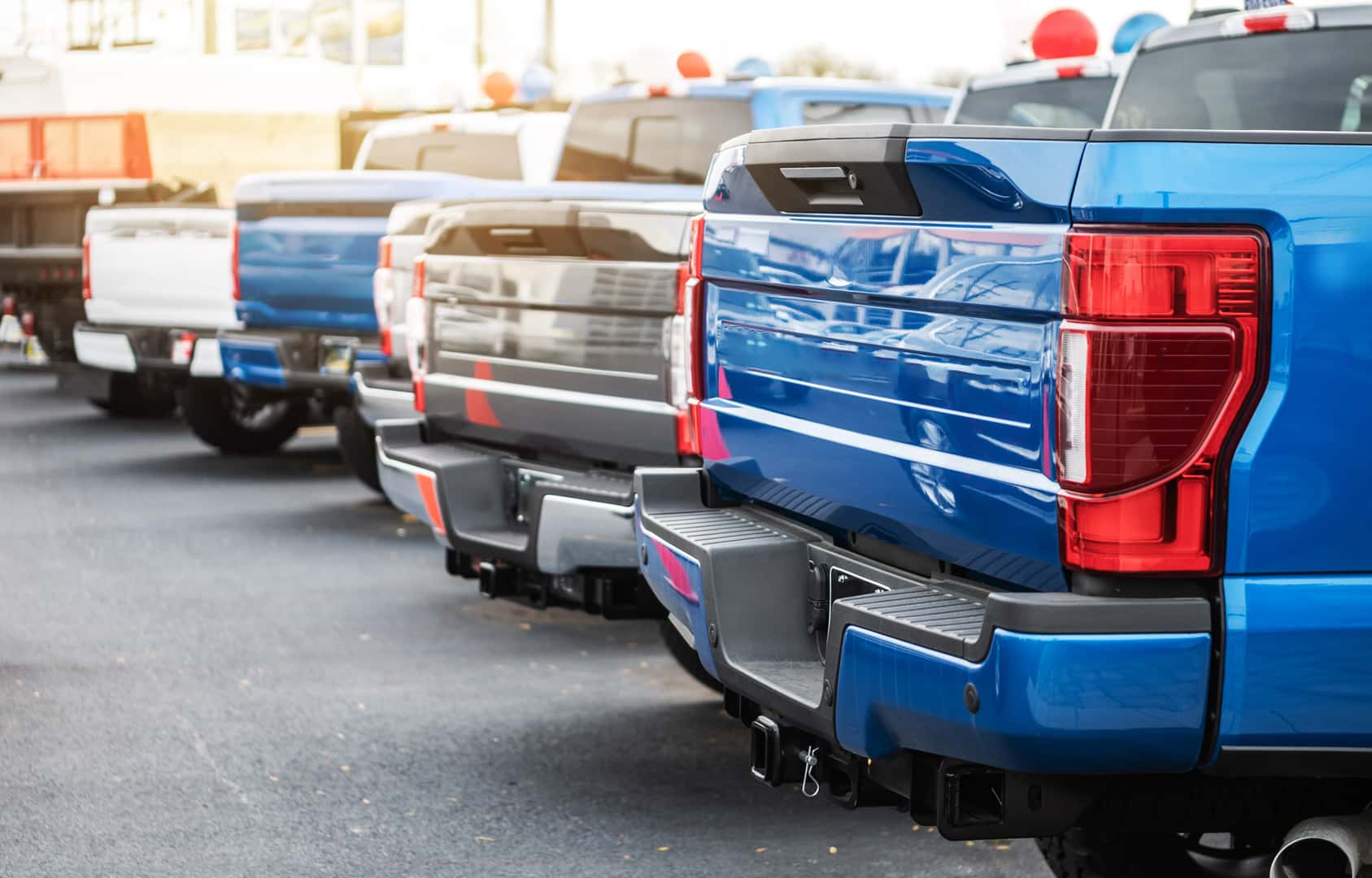
Truck Center inventory is used and multi-brand. It moves constantly, so the right way to see what is on the ground today is the live inventory page rather than a list here that would be wrong by Thursday. What stays consistent is the mix, and it breaks into four groups.
- Half-ton pickups. The volume segment. Crew cabs and double cabs, two-wheel drive and four-wheel drive, mostly configured for a mix of daily driving and weekend towing.
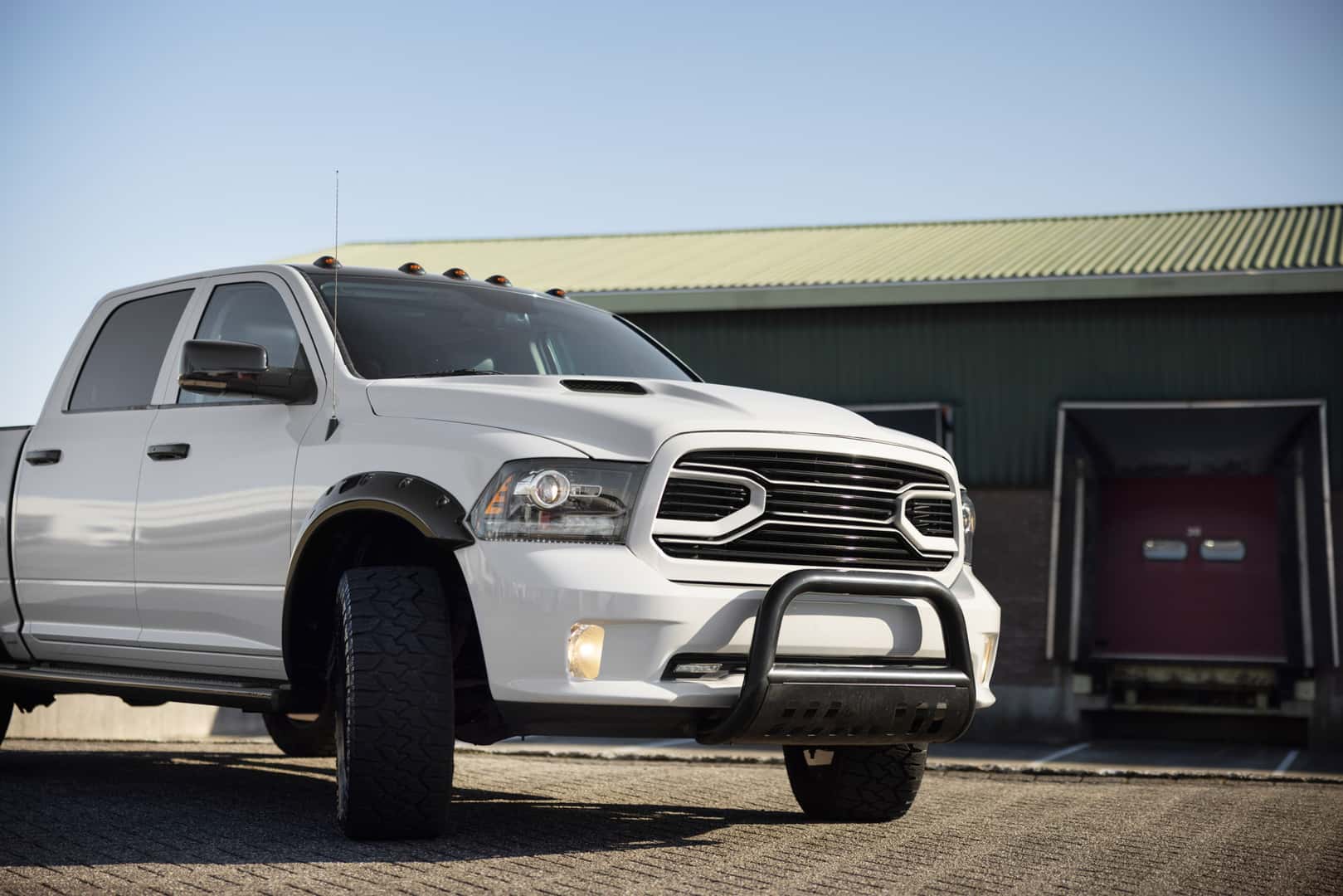
- Three-quarter-ton and one-ton pickups. Heavy-duty trucks, gas and diesel, single rear wheel and dually. This is what you want if you’re pulling a gooseneck, a large fifth-wheel camper, or equipment on a deck-over trailer.
- Midsize pickups. Smaller footprint, easier to park, lower payload and tow ratings. Often the right answer for someone who tows a bass boat or a small utility trailer a few times a year and does not want a full-size truck in the driveway the rest of the time.
- Vans and truck-based SUVs. Cargo vans and passenger vans for contractors, churches and families who’ve outgrown three rows, plus body-on-frame SUVs that tow more than a crossover will.
You do not have to be a Honda customer to buy here, and you don’t have to buy a Honda. The Truck Center is where Gary Force sells the rest of the market.
The numbers that decide whether a truck fits your job
Most truck shopping goes wrong in the same place. A buyer looks up one number, usually the biggest towing figure the manufacturer advertised that year, and assumes it applies to the truck in front of them. It usually does not, because that number belongs to one specific build: one engine, one cab, one bed length, one axle ratio, one drivetrain. Change any of those and the number changes with it.
Here are the terms that matter and where each one is written down.
| Term | What it means | Where it’s printed |
|---|---|---|
| GVWR (Gross Vehicle Weight Rating) | The maximum the loaded truck itself is allowed to weigh, counting the truck, fuel, every passenger, everything in the bed and the downward force the trailer puts on the hitch. | Certification label on the driver door jamb |
| Curb weight | What the truck weighs empty with fluids and fuel, with nobody in it and nothing in the bed. | Manufacturer specification for that exact build |
| Payload | GVWR minus curb weight. Everything you add: people, tools, gear, a bed cover, and trailer tongue weight. | Payload sticker in the door jamb on most late-model trucks |
| Towing capacity (Trailer Weight Rating) | The heaviest trailer that truck is rated to pull, stated for a specific engine, cab, bed, axle ratio and drivetrain. | Manufacturer towing guide for that model year and build |
| GCWR (Gross Combination Weight Rating) | The maximum the loaded truck and the loaded trailer are allowed to weigh together. | Manufacturer towing guide for that model year and build |
| Tongue weight | The downward force the coupled trailer places on the hitch ball. The industry towing standard calculates ratings assuming 10 percent of trailer weight sits on the tongue for a conventional bumper-pull hitch. | Measured on a scale or with a tongue-weight gauge |
Payload runs out before towing capacity does
This is the one that catches people, and it is arithmetic rather than opinion. Tongue weight does not count against your towing number. It counts against your payload, because it is pressing down on the truck.
Work an example. Say you’re pulling an 8,000-pound travel trailer on a conventional hitch. At 10 percent, that’s 800 pounds sitting on the hitch ball, and all 800 come out of payload. Add four adults at roughly 700 pounds, a weight-distributing hitch at 70 to 100 pounds, and 200 pounds of coolers, chairs and firewood in the bed, and you’re at about 1,800 pounds of payload consumed before the trailer has moved an inch. Plenty of well-optioned half-ton crew cabs have less payload than that on the sticker, even though their advertised tow rating sits comfortably above 8,000 pounds. That truck isn’t rated for that trip, and nothing about the tow number told you so.
So the first thing our salespeople do is open the driver door and read the yellow payload sticker out loud, before anybody talks about a trade.
Why tow ratings on used trucks are not always comparable
Here is a tradeoff worth planning around when you shop used instead of new, and it is the reason we do not let anybody buy off a brochure number.
SAE International published J2807, the standardized test for determining a tow vehicle’s Gross Combination Weight Rating and calculating its trailer rating, in 2008. It applies to vehicles up to 14,000 pounds GVWR, and it exists so a rating from one manufacturer can be compared honestly against a rating from another. Manufacturers phased it in over the several years that followed rather than all at once. The practical consequence on a used lot is that two trucks a few model years apart can carry published tow ratings that were not produced the same way, and the older figure is sometimes the more generous one.
None of that makes an older truck a worse truck. It means the advertised number on a ten-year-old pickup is a weaker basis for a decision than the label on the door, which states what that specific vehicle is certified for no matter how the marketing was written. So we work from the door jamb and the towing guide for the exact build in front of us. If the numbers do not support the trailer you described, we’ll tell you, and we’ll walk you to a truck that does.
How we match a truck to what you tow and haul
The conversation runs in the same order every time, and it takes about ten minutes.
- What are you pulling, loaded? Not the dry weight on the brochure. A camper with full fresh water, propane, batteries and everything you packed weighs considerably more than it did leaving the factory. A scale ticket beats an estimate.
- How is it hitched? Conventional bumper-pull, weight-distributing, gooseneck or fifth-wheel. Tongue and pin weight percentages differ, and gooseneck and fifth-wheel setups put a much larger share of trailer weight on the truck.
- Who and what rides in the truck? Passengers, tools, a toolbox, a bed cover, a topper. Every pound is payload.
- How often, and over what? Flat runs around Warren County once a summer is a different requirement than loaded grades every week. Sustained pulling is where engine choice, axle ratio and cooling stop being trivia.
- Then we read the labels. Door jamb certification label, payload sticker, and the manufacturer towing guide for that year and build. If a truck clears the requirement, it goes on the short list. If it doesn’t, it doesn’t, and we say why.
Buying a truck at Gary Force Truck Center
The buying process is the same one we use at the Honda store, run by the same finance office. You can start it online or in person, and doing part of it from your kitchen table in Smiths Grove or Cave City is usually the difference between one trip to Bowling Green and three.
Financing applications and pre-qualification can be completed online before you drive over. Trade appraisals can start online too, and we’ll buy your current truck whether or not you buy one of ours.
Two Kentucky specifics are worth knowing before you sit down. Kentucky levies a motor vehicle usage tax of 6 percent, and on a used vehicle it is calculated on the total consideration given less any trade-in allowance. That allowance carries a condition people are often surprised by: the vehicle you trade must have been previously registered in Kentucky for the deduction to apply. If your trade is titled in Tennessee, the math is different, and it is better to find that out at our desk than at the county clerk. Bring your title or your payoff information and we will work through the actual out-the-door number with you instead of a payment estimate that leaves pieces out.
Our Truck Center Team
At Gary Force Honda we don’t believe in hassling you into buying a vehicle you don’t want with features you don’t need. Meet the people that will find the perfect truck for you.



Frequently asked questions
Where is the Gary Force Truck Center located?
Gary Force Truck Center is at 2201 Scottsville Road, Bowling Green, KY 42104, on the same road as the main Gary Force Honda showroom at 2325 Scottsville Road. It is a separate building with its own used truck, van and SUV inventory and its own sales team. The phone number for both locations is 270-781-8230.
What does GVWR mean on a truck?
GVWR stands for Gross Vehicle Weight Rating. It is the maximum weight the loaded truck itself is allowed to be, including the truck, fuel, all passengers, everything in the cab and bed, and the downward tongue weight of any trailer. It is printed on the certification label on the driver door jamb and it is set by the manufacturer for that specific vehicle. GVWR is a limit on the truck, not on the trailer.
What is the difference between towing capacity and payload?
Towing capacity is the heaviest trailer a truck is rated to pull behind it. Payload is how much weight the truck can carry in and on itself, which is its Gross Vehicle Weight Rating minus its empty curb weight. The two are separate limits and both apply at once. Trailer tongue weight counts against payload rather than against towing capacity, which is why many trucks reach their payload limit while still well under their advertised tow rating.
How much tongue weight should a trailer have?
For a conventional bumper-pull trailer, the industry towing standard calculates vehicle tow ratings on the assumption that 10 percent of the loaded trailer weight rests on the tongue. Too little tongue weight is the main cause of trailer sway. Gooseneck and fifth-wheel trailers place a considerably higher share of their weight on the truck, which is why they need a truck with more payload capacity even when total trailer weight is similar. Tongue weight should be verified on a scale rather than estimated.
Can I compare tow ratings between used trucks from different model years?
Not always directly. SAE International published the J2807 standardized tow-rating test in 2008 and manufacturers adopted it over the following several years, so two used trucks a few model years apart may carry published ratings that were not produced by the same method. The reliable approach on any used truck is to read the certification label on the driver door jamb and check the manufacturer towing guide for that exact model year, engine, cab, bed and axle configuration.
Do I have to buy a Honda to shop at the Gary Force Truck Center?
No. Truck Center inventory is used and multi-brand, and most of it is not Honda. It carries half-ton and heavy-duty pickups, midsize trucks, cargo and passenger vans, and truck-based SUVs from a range of manufacturers. Anyone can shop there, finance there and trade there, whether or not they have ever owned a Honda.
Reviewed by Matt Jackson, Sales Manager, Gary Force Honda. Last reviewed .